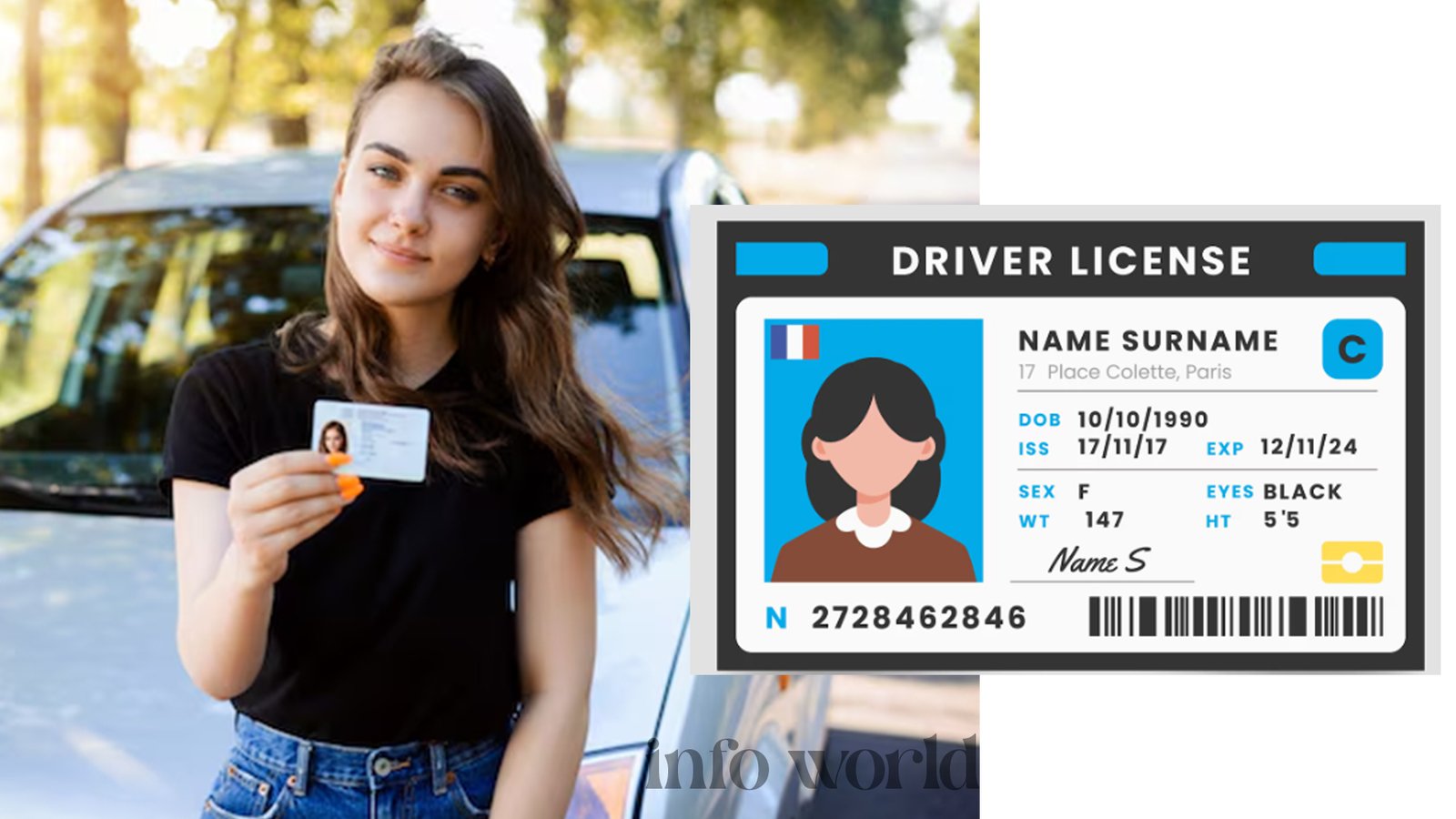
Driving License Made Easy
In the digital era, tasks that once felt tedious and time-consuming are now becoming effortless. Obtaining or renewing a driving license, a process historically associated with long waits and mountains of paperwork, has been revolutionized through modern mobile applications. These apps redefine how individuals interact with licensing services, offering convenience, clarity, and control from the comfort of a smartphone.
The Emergence of Digital Licensing Platforms
Mobile apps for driving licenses are designed to cover a wide spectrum of needs, from first-time license applications to renewals and updates. By consolidating multiple services under a single interface, they eliminate the need for repeated trips to government offices. Users can perform most tasks online, making the entire licensing process faster, simpler, and less stressful.
Simplifying Complex Processes
What makes these platforms revolutionary is their ability to streamline complex, multi-step procedures. Previously, applying for a license might have required visiting the RTO multiple times, submitting forms in person, and waiting for approval. Now, with step-by-step guidance and intuitive designs, applicants can complete tasks such as uploading documents, booking test slots, and checking status updates with a few taps. Even individuals unfamiliar with technology can navigate these apps effortlessly.
Transforming How Licenses Are Obtained
The traditional license process has been fully reimagined. Applicants can now upload identity proofs, address documents, and photographs digitally. They can schedule learner’s license exams or driving tests, receive reminders, and track application progress in real time. The convenience reduces human errors, shortens waiting times, and allows users to manage their applications around their own schedules.
Reaching Users in Remote Areas
For residents in rural or hard-to-reach regions, mobile licensing apps are particularly transformative. These platforms break down geographical barriers, ensuring that access to government services is equitable. Citizens no longer need to travel long distances to complete paperwork or verify their credentials. A smartphone becomes the gateway to essential licensing services.
Environmentally Friendly Operations
Another significant advantage of digital platforms is their contribution to environmental sustainability. By reducing reliance on printed forms, receipts, and in-person paperwork, these apps minimize waste and support greener practices. Fewer trips to offices also mean a smaller carbon footprint, making the licensing process both efficient and eco-conscious.
Security and Privacy at the Core
Data protection is a primary concern for digital services, and driving license apps prioritize the security of sensitive personal information. Advanced encryption protocols, secure servers, and multi-factor authentication ensure that user data—including identification details and photographs—remains private and protected. These security measures increase trust and encourage widespread adoption of digital licensing.
Personalized Experience for Every User
Modern licensing apps are not one-size-fits-all. They adjust their interface and workflow depending on whether a user is a first-time applicant, renewing a license, or updating personal details. Customized prompts, reminders, and instructions ensure that each user receives relevant support, reducing confusion and making the process feel seamless.
Additional Tools for Drivers
Beyond licensing, these apps often provide supplementary services. Users can access driving regulations, pay traffic fines, check penalty points, and even find nearby RTO locations. Some platforms offer guidance on vehicle registration or insurance services. By integrating these features, the apps become more than just a license management tool—they become a comprehensive companion for every driver.
Real-Time Alerts and Notifications
Staying updated is critical for all license holders. Mobile apps provide timely notifications about renewal deadlines, upcoming tests, or changes in traffic laws. Push alerts prevent lapses in compliance and ensure that users remain informed about important updates, helping them avoid fines or administrative delays.
Benefits for Government Agencies
Digital licensing apps also create efficiency for the authorities. Automation reduces the workload on clerical staff and minimizes human error. This streamlining enables government offices to handle more applications quickly, improves transparency, and enhances overall service delivery. In many cases, the integration of these apps has shortened processing times from weeks to just days.
Strengthening Citizen-Authority Interaction
These apps act as a direct communication channel between citizens and licensing authorities. Users can raise queries, receive clarifications, and resolve issues without needing to visit an RTO physically. This improved connectivity increases trust in government services and fosters a more responsive and accountable public administration system.
Future of Digital Licensing
As mobile applications continue to evolve, the vision for licensing is moving toward full digitization. Upcoming updates aim to incorporate features like e-driving licenses, integrated identity verification, AI-assisted document checks, and even instant approval for certain services. The goal is to create a fully paperless, efficient, and transparent licensing ecosystem accessible to everyone.
Conclusion: Driving Toward a Digital Future
The advent of driving license apps represents a significant step in modernizing public service delivery. By offering convenience, efficiency, security, and accessibility, these platforms are changing how citizens interact with licensing systems. They provide a smart, reliable, and eco-friendly alternative to traditional methods, empowering drivers to manage their credentials with confidence.
From first-time applicants to experienced license holders, everyone benefits from the streamlined processes, real-time updates, and supplementary features offered by these apps. As technology progresses, mobile licensing platforms will continue to integrate more advanced solutions, ensuring that managing driving credentials is no longer a stressful chore but a smooth and user-friendly experience.
The driving license app is not merely a convenience; it is a symbol of how digital tools can transform traditional systems, bridging the gap between citizens and government services, and ushering in a future where official processes are as seamless as modern life demands.