Introduction: Access to Clean Cooking Fuel for Every Household
Across India, millions of families still depend on traditional cooking methods like firewood, coal, crop waste, and kerosene. These outdated methods not only harm the environment but also severely affect the health of women who spend long hours in smoke-filled kitchens. To address these challenges and empower rural households, the Government of India introduced the Free Gas Cylinder Scheme under the expanded Pradhan Mantri Ujjwala Yojana (PMUY) 2.0.
This scheme ensures that even the most economically vulnerable families can access LPG—an affordable, safe, and clean source of cooking fuel.
Evolution of the Scheme: From Ujjwala 1.0 to Ujjwala 2.0
The first phase of the Ujjwala Yojana was launched in May 2016, aiming to provide LPG connections to five crore women from Below Poverty Line (BPL) households. The initiative was widely appreciated for its impact on women’s health, household hygiene, and environmental improvement.
As the scheme’s success continued to grow, the government expanded it into a more inclusive version—Ujjwala Yojana 2.0, officially introduced in August 2021.
This updated version focuses on making LPG access even easier by removing documentation barriers, supporting migrant families, and offering additional financial support.
Understanding the Free Gas Cylinder Scheme
Under the Ujjwala 2.0 program, families who qualify receive an entire LPG setup without paying anything at the beginning. Instead of struggling with high initial costs, beneficiaries get a free LPG gas connection, a free gas stove, and even the first cylinder refill at no charge. The government has also simplified the documentation process, making it easier for people—especially those with limited paperwork—to apply. One of the biggest advantages of this version is the special support offered to migrant workers, who often face difficulties due to the lack of permanent address proof. Overall, the scheme removes financial barriers and makes it possible for every household to adopt clean, safe, and modern cooking fuel.
Objectives Behind the Government Free Gas Cylinder Initiative
The government introduced the free gas cylinder initiative under Ujjwala 2.0 with several important goals aimed at improving both public health and overall quality of life across rural and economically weaker households.
1. Reducing Indoor Air Pollution
For years, traditional cooking fuels like firewood, coal, and crop waste have filled rural homes with thick, harmful smoke. This smoke causes severe respiratory diseases, eye infections, and long-term lung damage—especially among women and children who spend more time in the kitchen. By encouraging the shift to LPG, the scheme helps drastically reduce indoor pollution and creates a cleaner, safer cooking environment.
2. Empowering and Uplifting Women
Women are the biggest beneficiaries of the scheme. LPG eliminates the need to spend hours collecting firewood, reduces cooking time, and minimizes physical strain. With cleaner fuel and faster cooking, women gain more time for education, employment, or family care—contributing directly to their empowerment and improving their overall well-being.
3. Encouraging Clean and Sustainable Energy Use
India’s push toward clean energy is an essential part of its environmental and climate goals. By promoting LPG in low-income households, the scheme reduces the usage of fossil fuels, lowers carbon emissions, and minimizes deforestation caused by firewood collection. This transition supports the nation’s mission for a greener and more sustainable future.
4. Enhancing Living Standards for Poor Families
The high upfront cost of LPG connections, stoves, and the first refill often prevented low-income families from adopting clean fuel. Ujjwala 2.0 removes this financial burden by offering everything free of cost. As a result, even the most marginalized communities now have access to safe, modern cooking technology—improving their lifestyle, hygiene, and overall comfort.
Eligibility for the Free Gas Cylinder Scheme
To benefit from the LPG connection provided under the Ujjwala 2.0 program, households must meet certain eligibility requirements set by the government. These criteria ensure that the assistance reaches the families who need it the most. The scheme primarily targets economically weaker communities and socially disadvantaged groups to improve their access to clean cooking fuel.
One of the major eligibility conditions is that the applicant’s family must be listed among the poor households identified in the SECC-2011 socio-economic census. Families holding a Below Poverty Line (BPL) card also fall under the approved category. Additionally, several marginalized communities such as Scheduled Castes (SC), Scheduled Tribes (ST), and Most Backward Classes (MBC) are given priority under this initiative. The scheme also extends support to forest-dwelling communities and households living in island or river-island regions, ensuring that people in remote or difficult terrains can also access LPG connections.
One of the important highlights of Ujjwala 2.0 is that migrant workers, who often face difficulties due to insufficient address proof, can also apply. They are allowed to submit a simple self-declaration form instead of standard documents, making the process more inclusive and accessible.
To maintain the scheme’s focus on women empowerment, the LPG connection is issued only in the name of an adult woman aged 18 years or above in the household. This approach not only ensures ownership but also strengthens the role of women in the family’s decision-making process.
Documents Required to Get the Free LPG Connection
One key advantage of Ujjwala 2.0 is the reduction in paperwork. Still, applicants must keep the following documents ready:
- Aadhar card
- Ration card or family ID
- BPL certificate (where required)
- Valid mobile number
- Bank account details
- Self-declaration form (especially for migrant workers)
Migrant families can apply using only self-declaration without address proof, making the scheme more accessible.
Step-by-Step Guide: How to Apply for the Free Gas Cylinder Scheme
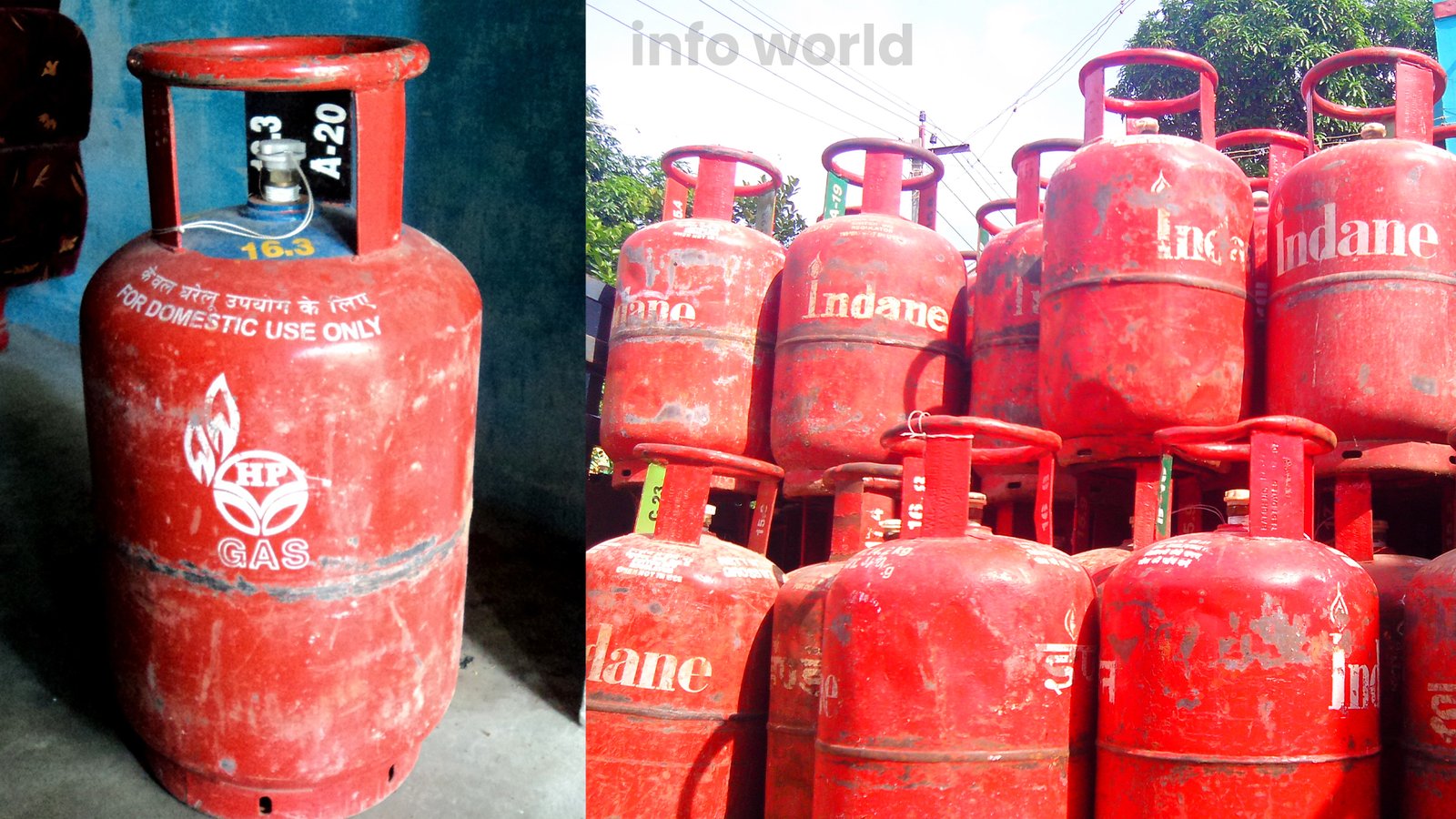
Applying for the Ujjwala 2.0 scheme is a straightforward, hassle-free, and completely cost-free process. To begin, the applicant must visit the nearest authorized LPG distributor. These distributors are available for all major gas companies in India, including Indane from IOC, Bharat Gas from Bharat Petroleum, and HP Gas from HPCL. At the distributor’s office, applicants need to request the dedicated Ujjwala Yojana 2.0 application form, which is specifically used for new connections under this government initiative.
After receiving the form, the next step is to carefully fill in all the required personal details. These typically include the applicant’s full name, Aadhaar number, contact information, bank account details, and essential family information. Once the form is completed, applicants must attach photocopies of the necessary documents and submit the entire set back to the distributor.
Following submission, the distributor will begin the verification process by cross-checking the applicant’s information with government records to confirm eligibility. This step ensures that the benefits are granted only to those who meet the official criteria of the scheme.
Once the verification is successfully completed and the application is approved, the applicant is issued a complete LPG connection kit. This kit generally includes an LPG cylinder, a regulator, a connecting pipe, a stove, and a safety guide or instruction booklet. As an added benefit under Ujjwala 2.0, the recipient also receives the first cylinder refill entirely free of cost, making it even easier for families to adopt clean cooking fuel without financial worries.
Benefits of Getting the Free Gas Cylinder Under Ujjwala 2.0
One of the biggest advantages of receiving an LPG connection through the Ujjwala 2.0 scheme is the remarkable improvement it brings to women’s health. Since LPG produces clean, smoke-free flames, households no longer face the harmful effects of traditional fuels like firewood or coal. This shift helps prevent a wide range of serious health problems, including asthma, chronic lung infections, eye irritation from constant exposure to smoke, and even long-term heart-related complications. By reducing indoor air pollution, women and children breathe cleaner air and enjoy a healthier living environment.
Another major benefit of using LPG is the amount of time and physical effort saved every day. In many rural areas, women spend several hours collecting firewood or preparing traditional chulhas before cooking. With LPG, these exhausting activities are eliminated, allowing women to invest their time in education, paid work, childcare, or other productive activities. This not only eases domestic responsibilities but also enhances the overall quality of life.
Financial relief is another key feature of the scheme. Although families must eventually pay for their refills, the government covers the entire cost of the initial setup, including the gas connection, the first cylinder refill, and even the stove. For families with limited income, avoiding these upfront expenses provides significant economic relief and encourages them to adopt clean energy without hesitation.
LPG also contributes to a much cleaner and safer home environment. Unlike traditional cooking fuels that produce soot, ash, and thick smoke, LPG burns cleanly, leaving kitchens free from residue and harmful fumes. Homes become easier to maintain, and cooking becomes a more comfortable and hygienic experience for the entire family.
Importantly, Ujjwala 2.0 offers strong support for migrant workers who often struggle to obtain LPG connections due to a lack of permanent address proof. By allowing applications through a simple self-declaration form, the scheme ensures that migrants and seasonal workers—who frequently relocate for employment—can also benefit from clean and affordable cooking fuel without bureaucratic barriers.
Impact of the Scheme on Rural India
The free gas cylinder program has changed the lifestyle of millions of rural families.
- Indoor air quality has drastically improved
- Women now have more personal time
- Children study in smoke-free homes
- Fewer health issues reduce medical expenses
- Villages are becoming more environmentally friendly
The scheme has created a long-term cultural shift toward safer cooking habits.
Environmental Benefits of Moving to LPG
Switching to LPG under the Ujjwala 2.0 initiative has also brought major environmental advantages, beginning with a noticeable decline in deforestation. Since households no longer rely heavily on gathering firewood from nearby forests, the pressure on natural resources has significantly reduced. This shift helps preserve forest cover, protects wildlife habitats, and supports long-term ecological balance in rural and tribal regions.
Another key environmental benefit is the reduction in harmful emissions. LPG is a far cleaner fuel compared to traditional options such as coal, kerosene, and various forms of biomass. These older fuels release high levels of carbon and toxic pollutants when burned, contributing to air pollution both inside and outside the home. In contrast, LPG produces far fewer greenhouse gases, helping to lower carbon footprints and promote healthier air quality in the community.
The adoption of LPG also leads to cleaner living conditions. Since it burns efficiently without producing ash, soot, or residue, households experience much tidier kitchens and surrounding areas. Walls, utensils, and cooking spaces stay cleaner for longer, and the overall village environment becomes fresher and more hygienic. This improvement not only boosts cleanliness but also adds to the dignity and comfort of daily living.
Government’s Vision and Future Expansion
The Government of India aims to make LPG affordable and accessible to every household, especially in rural and tribal regions.
Under future extensions:
- More subsidies may be added
- Refill support may increase
- Digital application systems may become stronger
- Awareness campaigns will be expanded for remote villages
The long-term vision is to ensure that no woman in India cooks with harmful fuels again.
Challenges Faced by Beneficiaries
While the scheme is highly impactful, some challenges still exist:
- Rising LPG refill prices
- Lack of delivery in extremely remote villages
- Limited awareness about the scheme
The government continues working on policies to minimize these challenges.
Tips to Maximize Benefits from the Scheme
- Always refill from authorized LPG distributors
- Register your mobile number for safety updates
- Join government awareness programs
- Use energy-saving cooking techniques
- Report any cylinder leakage immediately
Proper usage ensures safety and long-term savings.
Conclusion: A Powerful Social Welfare Initiative
The Government Free Gas Cylinder Scheme under Ujjwala 2.0 is one of India’s most impactful welfare programs. It not only introduces clean cooking fuel into millions of homes but also uplifts women’s dignity, improves household health, saves time, and supports environmental sustainability.
By making LPG accessible to even the poorest and most remote families, the government continues to move toward a future where every Indian household can enjoy safe, clean, and modern cooking facilities.